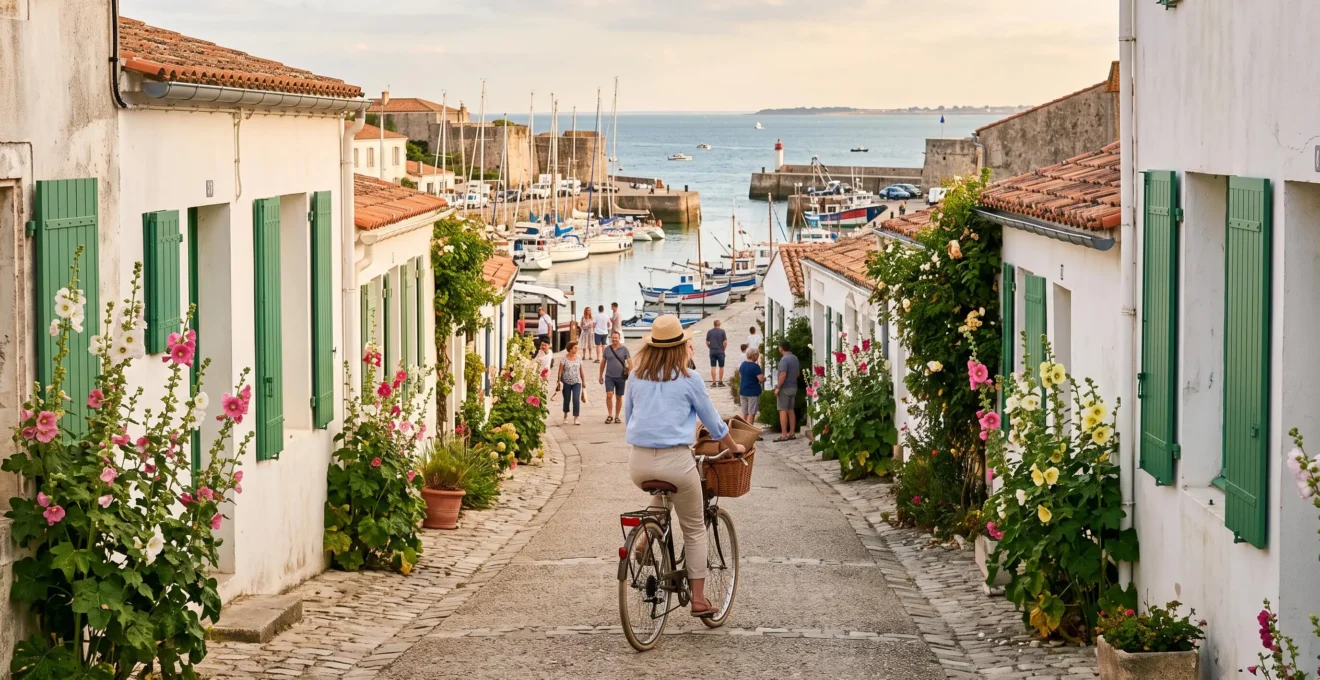
If you’re planning an Île de Ré holiday for the first time, the hard part isn’t finding things to do — it’s choosing what’s actually worth your time when you’ve only got a few days. The island is compact, but it’s packed with tempting villages, long sandy beaches, and cycle paths that make it feel genuinely car-free once you’re there.
The simplest way to organise a great trip is to pick your “village base” first, then match one or two beaches to your style (swimming, big sands, quiet corners), and build your days around cycling routes that link the two. That way, you get the full island feel without trying to “do everything”.
Your no-stress plan for an Île de Ré holiday
- Choose 2 “must-see” villages (one lively, one quieter) and cycle between them.
- Pick beaches by your priority: big sands (south) vs wilder stretches (north-west), as described by Green Traveller.
- Use cycling as transport: Cycling Weekly reports around 110 km of dedicated cycle paths on mostly flat terrain.
- Keep it seasonal: the tourist office describes autumn as calmer; some services are more limited outside peak periods.
- For a first visit, plan a short list each day: one village + one beach + one easy ride.
Why Île de Ré Is the Ideal Car-Free Coastal Escape
Direct answer: Choose Île de Ré if you want a compact coastal holiday where you can base yourself in a characterful village, reach beaches by bike, and keep planning simple — with the caveat that some services are more seasonal outside peak months.
Île de Ré works so well for a British holiday because it’s small enough to feel manageable, but varied enough to feel like you’ve had a “proper” break: harbour towns, quiet lanes, salt-marsh landscapes, and beaches you can dip in and out of between rides.
A big part of the appeal is the bike-first rhythm. You’re not constantly thinking about parking or short car hops — you’re linking villages and beaches in a way that feels like the island is the destination, not just the stops.
For up-to-date practical pointers as you map things out (villages, what’s open, and how the island is presented to visitors), start with the Official Tourist Office of the Île de Ré, which is the UK-facing official tourist office website.
Getting there from the UK usually means travelling via mainland France first (for example via La Rochelle and the surrounding transport options). Exact journey times and seasonal services change, so it’s worth checking the latest timings when you book — especially if you’re trying to maximise a long weekend.
Which Villages Should You Visit First?
Direct answer: For a first visit, prioritise one iconic harbour town (often Saint-Martin-de-Ré) and one smaller-feeling village (often Ars-en-Ré), then add a quieter third only if you have time.
When people say “best villages to visit on Île de Ré”, what they really mean is: which villages will give me different experiences rather than repeating the same pretty streets. A good plan is to deliberately choose contrast — one place with buzz and atmosphere, one with slower lanes and a softer pace.
Green Traveller notes that there are ten villages on the island and that any can work as a base depending on your style. That’s helpful because it takes the pressure off: you’re not “ruining” your trip by staying in the “wrong” spot — you’re just picking the best fit for how you want to spend your days.
Saint-Martin-de-Ré or Ars-en-Ré: which one should you prioritise first?
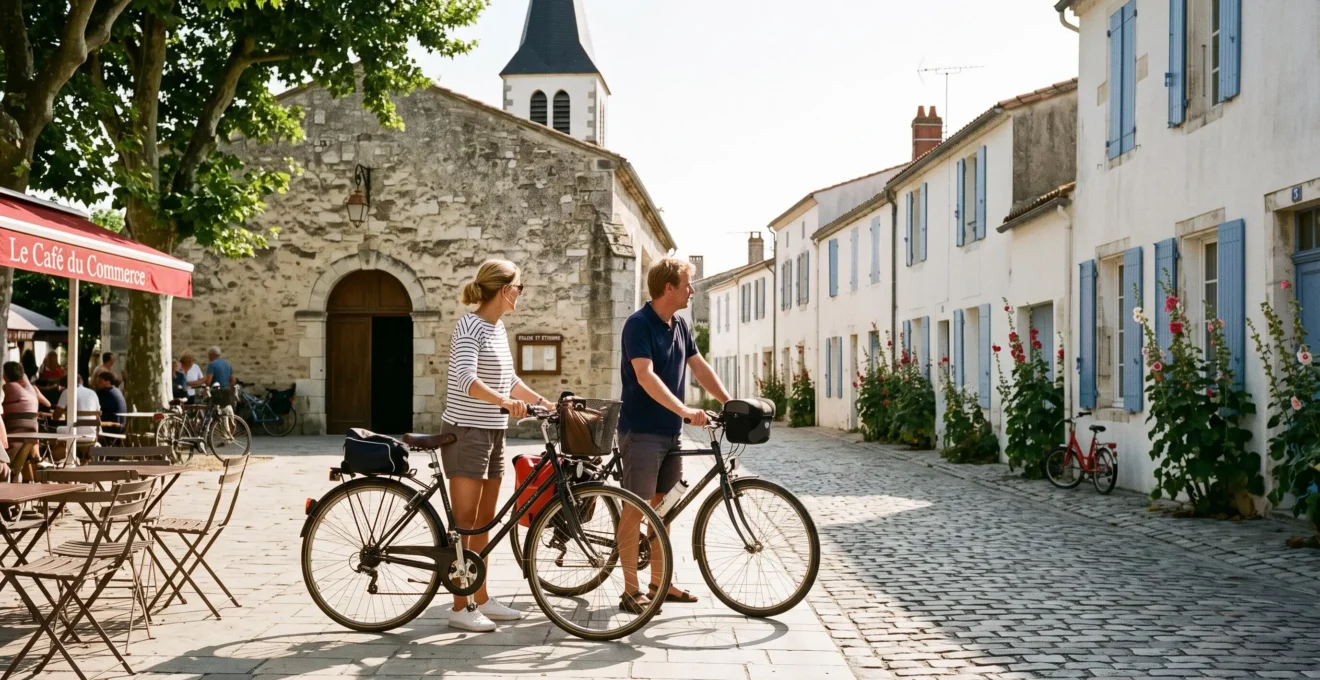
If you want an easy first-day win, start with Saint-Martin-de-Ré for a busier harbour-town feel (good for wandering, people-watching, and settling into holiday mode), then cycle to Ars-en-Ré when you want something that feels calmer and more village-like.
The decision comes down to energy: arrive and explore (Saint-Martin) versus slow down and potter (Ars). If you only have time for one, choose the one that matches how you want to feel at the end of the day — animated or unhurried.
Which villages are worth seeing and which can you skip on a short break?
On a short break, you don’t need to “collect” villages. A better rule is: pick two that give you variety, and skip the rest unless they serve a practical purpose (a beach you really want, a market morning, or an easy cycling link).
Here’s a simple way to decide without overthinking it:
- You want atmosphere and easy strolling:Prioritise a harbour-focused stop like Saint-Martin-de-Ré, then add a second village only if you still have energy.
- You want quiet lanes and “slow travel”:Prioritise a smaller-feeling village day (often Ars-en-Ré), and keep the plan to one main stop plus a beach.
- You’re here mainly for beaches and cycling:Choose the village that sits closest to your preferred beach side (south for big sands, north-west for wilder stretches, per Green Traveller).
Case study
Imagine you’ve got a 3-day couple’s break and you’re staying mid-island. Day 1: wander Saint-Martin-de-Ré at an unhurried pace, then keep your cycling gentle. Day 2: cycle out to Ars-en-Ré for a calmer village feel, and plan a beach stop on the way back. Day 3: repeat your favourite rhythm (village café + easy ride + sand) rather than squeezing in a new place “just because”.
Beaches and Biking: Making the Most of the Island
Direct answer: Match beaches to your goal (big sands vs quieter stretches), then use the cycle network as your main “transport”: Cycling Weekly reports about 110 km of dedicated cycle paths on a flat island.
The magic combination on Île de Ré is that you can often cycle to the beach, swim or walk, then roll into a village for a late lunch — without the day turning into logistics. To make that work, decide your beach “type” first, then choose rides that naturally connect.
Which beaches on Île de Ré suit families or swimmers?
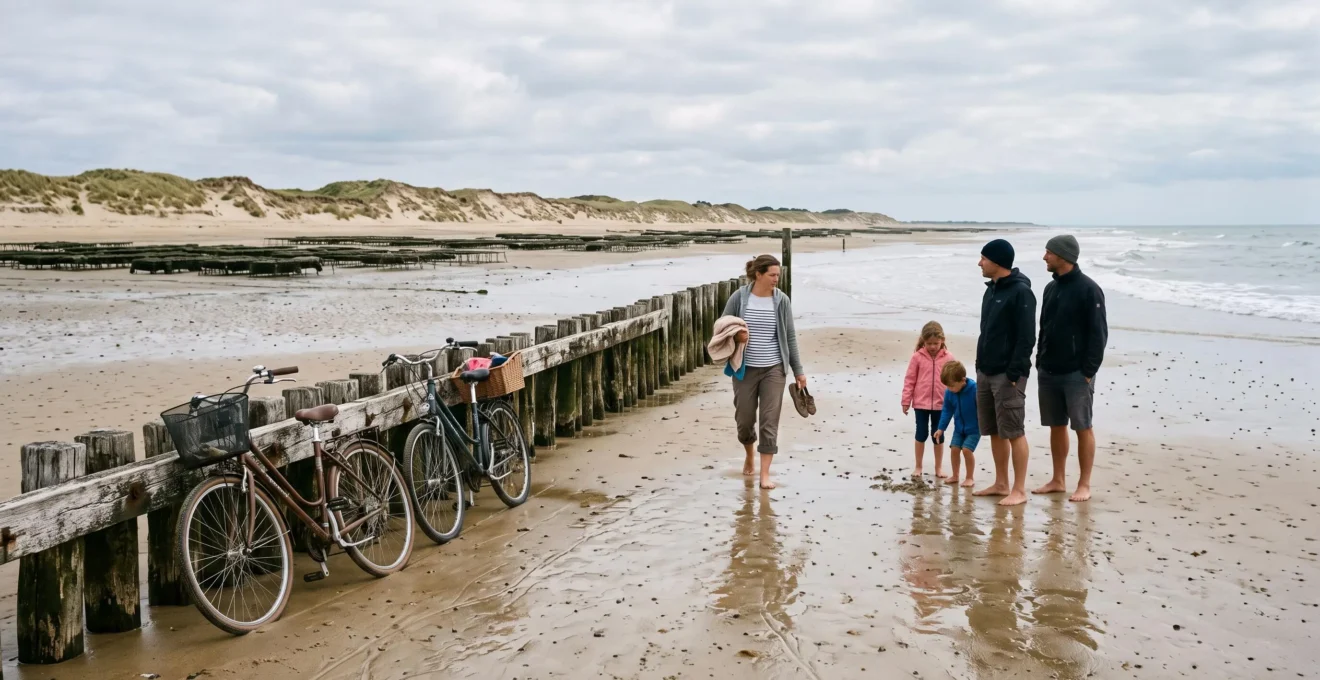
If you want the easiest, spacious beach rhythm — long walks, plenty of sand, and room to spread out — start by looking to the south side of the island. Green Traveller describes the south as having the largest sandy beaches, which generally suits that classic family beach day.
For a concrete, checkable example, the official Île de Ré tourist office (UK site) describes Le Bois-Plage-en-Ré as having “6km of beaches” (their wording) backed by dunes and a wooded area. That gives you a clear “big beach” option when you want a straightforward sand-and-sea day without hunting around.
A simple beach rule: If you’re unsure, pick a big sandy beach first (easier with towels, bags, and changing plans), then try a wilder stretch later once you’ve got your bearings.
How do you make the most of the island’s cycling routes?
Think of cycling here as your default link between “anchors” (your village, your beach, and one point of interest), not as a sporty challenge. Cycling Weekly’s travel feature calls the island a “cycling paradise” and reports 110 km of dedicated cycle paths on flat terrain — which is exactly what you want for relaxed days where you stop often.
To keep it enjoyable, plan rides that feel like part of the day rather than the whole day: one scenic leg in the morning, a long stop, then an easy roll back. If the weather turns, you’ll still feel like you’ve had a complete holiday day.
A half-day ride that links a village and a beach (no overplanning)
A reliable half-day pattern is: village café start → cycle out to a sandy beach → slow return via a different lane. It sounds basic, but it’s the best way to avoid the common mistake of packing in too many stops and ending up checking the time all day.
If you’re travelling light and want a beach with “space”, make Le Bois-Plage-en-Ré your beach anchor, then decide your village stop based on mood: something livelier first if you’ve just arrived, something quieter if you’re already in holiday mode.
When to Go and How to Plan Your Stay
Direct answer: For the easiest first trip, plan a stay long enough to repeat the island’s core rhythm (village + beach + bike ride) at least twice; if you want it quieter, the tourist office describes autumn as calmer — but expect more seasonal opening patterns.
The best time of year for an Île de Ré holiday depends on what you’re optimising for: liveliness and long days, or space and calm. The official tourist office’s UK site specifically presents autumn as a more peaceful, intimate season on the island, which is useful if you’re trying to avoid the busiest feel.
The trade-off is practical: outside peak periods, you may find fewer schedules and shorter opening hours in general, and bike hire options can be more seasonal. So if your planning time is limited, choose a period where you’ll have maximum services — and if you’re going off-peak, keep your plan flexible.
How many days do you need to combine beaches, villages and cycling on Île de Ré?
To get the “full” mix without rushing, give yourself enough time to do two different village days and two different beach moments. In practice, that usually means you want at least a long weekend rhythm rather than a single day trip, because cycling and beach time both reward going slower.
If you only have a short stay, the trick is not to cram — it’s to choose one side of the island per day (south for wide sands; north-west for wilder stretches, as described by Green Traveller) and let cycling routes connect the dots.
A simple 3-day first-timer itinerary (balanced and realistic)
This is deliberately not a “tick-box” itinerary — it’s a structure you can adapt to where you stay and how energetic you feel:
- Day 1: Choose your anchor villageArrive, walk the harbour/streets, and do one short cycle loop to get confident with the lanes.
- Day 2: Big beach day + easy ridePick a south-side sandy beach if you want space (Green Traveller’s tip), then add one village stop on the ride back.
- Day 3: Quieter lanes + “wilder” beach feelHead north-west for a less-developed beach atmosphere (again, as described by Green Traveller) and keep the afternoon open for a final village wander.
Seasonality to keep in mind: If you’re travelling outside peak periods, plan for a calmer feel — but double-check what’s open (bike hire, shuttles, tours) before you lock in a tight schedule.
If you’re also building a wider trip beyond the island, you might find it useful to browse this internal guide on South of France stays to compare the pace of different coastal bases.
Where should we stay on Île de Ré for a first visit?
Stay where your preferred days will be easiest: if you want big sandy beach time, a south-leaning base can make life simpler; if you want quieter, wilder-feeling beach stretches, the north-west side may suit better (as described by Green Traveller). For most first-timers, choosing a village you’ll enjoy returning to each evening matters more than chasing a “perfect” location.
Can you cycle to the main beaches and villages?
Yes — and it’s one of the island’s main advantages. Cycling Weekly reports around 110 km of dedicated cycle paths on a flat island, which supports an easy holiday rhythm where cycling is transport rather than a workout. Exact route choice depends on where you’re staying, so pick one or two beach-and-village links rather than trying to loop the whole island.
Which Île de Ré villages are best for a first-time visitor on a short break?
Pick two villages with different vibes rather than trying to see many. A common pairing is Saint-Martin-de-Ré for a livelier harbour-town feel and Ars-en-Ré for a calmer, village-paced day. Green Traveller notes there are ten villages in total, so you can confidently skip several without missing the essence of the island.
What are the best family-friendly beaches on a car-free island like Île de Ré?
For straightforward family beach days, prioritise the south side of the island, which Green Traveller describes as having the largest sandy beaches. For a specific example you can verify, the official tourist office (UK site) describes Le Bois-Plage-en-Ré as offering about 6 km of sandy beaches, which tends to suit spread-out, low-stress days.
Where to Next for a Quiet Coastal Break?
If what you love about Île de Ré is the calmer coastal pace — short distances, walkable villages, and days built around the outdoors — you can use those same criteria to shortlist other breaks: look for places where you can stay central, avoid driving every day, and still mix “pretty town” time with proper beach time.
When you’re comparing options, prioritise what made your planning easier here: a compact footprint, a clear village base, and simple days you can repeat without feeling like you’re missing out.
For quiet coastal breaks, whichever direction you go, the most reliable way to enjoy Île de Ré isn’t to chase a long list — it’s to commit to a rhythm you’ll actually want to repeat: one standout village, one beach that fits your style, and cycling routes that make the island feel effortless.